
What Is the Difference Between DUI and OVI in Ohio?

January 22, 2026

What Is the Difference Between DUI and OVI in Ohio?

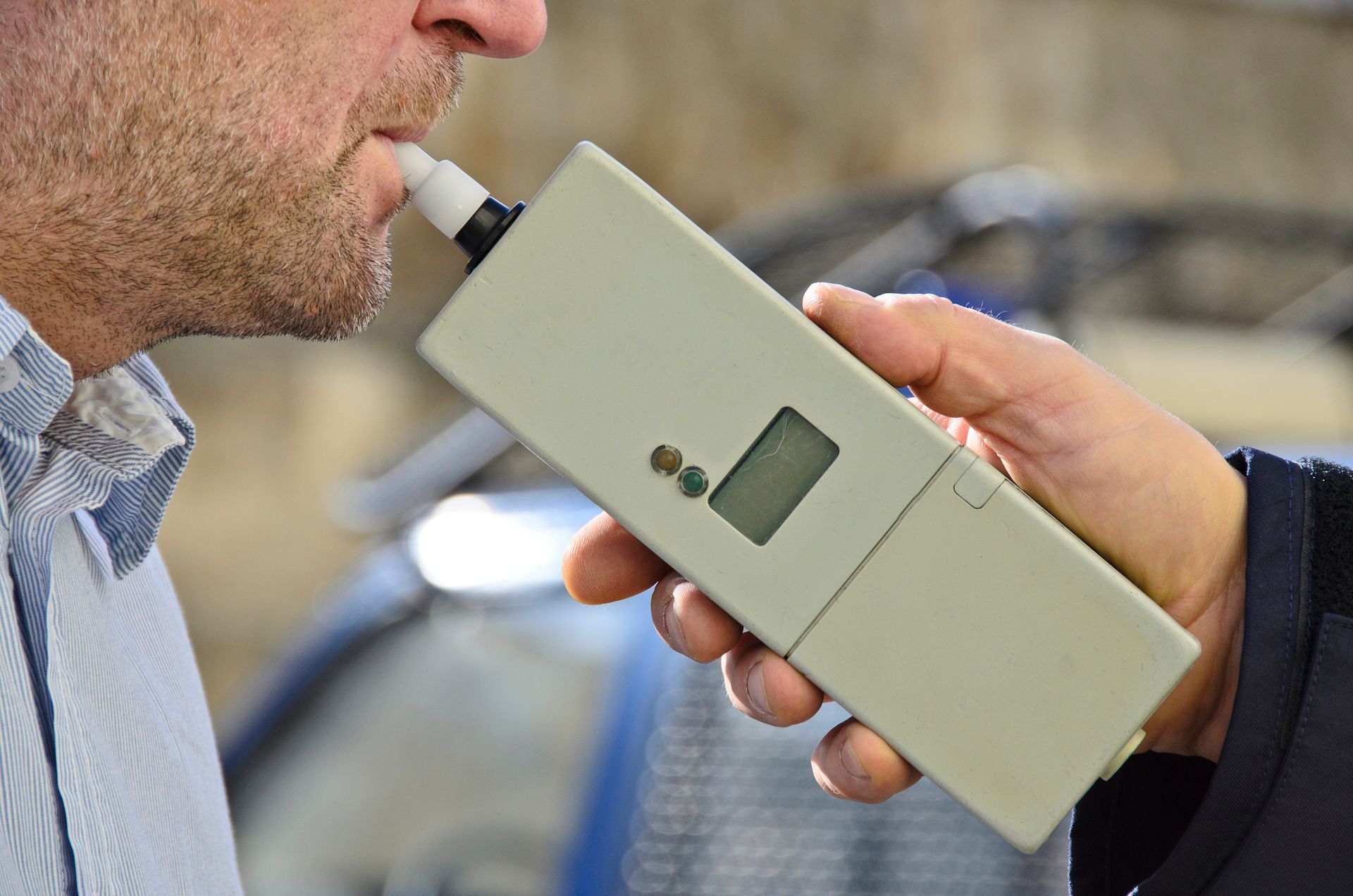
If you’ve been arrested for impaired driving in Ohio, you may be confused by the terminology used in your case. Many people are familiar with the term DUI (Driving Under the Influence), but in Ohio, the charge you’re more likely to face is OVI (Operating a Vehicle Impaired). While the two terms are related, they are not identical—and the differences can have a major impact on your case.


Understanding how Ohio defines OVI and how it differs from DUI is critical if you’re facing charges in Cleveland or anywhere else in the state.


What Is DUI?

DUI stands for Driving Under the Influence and is commonly used in many states to describe operating a vehicle while impaired by alcohol or drugs. DUI charges are typically tied to a driver’s blood alcohol concentration (BAC) being at or above the legal limit.


While Ohio recognizes the term DUI in conversation, it is not the primary legal charge used under Ohio law.


What Is OVI?

OVI stands for Operating a Vehicle Impaired, and it is the official charge used in Ohio. OVI laws are broader than traditional DUI laws and allow prosecutors to charge drivers even when their BAC is below the legal limit, if impairment can be shown.


In Ohio, you can be charged with OVI if:

  • Your ability to operate a vehicle is noticeably impaired
  • You are under the influence of alcohol, drugs, or a combination of both
  • You have a prohibited concentration of alcohol or drugs in your system


This broader definition gives law enforcement more discretion when making arrests.


Why Ohio Uses OVI Instead of DUI

Ohio uses the term OVI because it focuses on impairment, not just driving. The law applies to operating a vehicle—which can include situations where the car is not moving but is capable of being driven.


This means you could face an OVI charge even if:

  • You were not actively driving
  • Your BAC was under 0.08%
  • Drugs or prescription medication affected your ability to operate a vehicle


Can You Be Charged With OVI Below the Legal Limit?

Yes. One of the most important differences between DUI and OVI in Ohio is that a specific BAC level is not always required. If an officer believes your ability to operate a vehicle was impaired, an OVI charge may still apply.


Evidence used in these cases often includes:

  • Field sobriety test results
  • Officer observations
  • Dashcam or bodycam footage
  • Chemical test results


Because of this, OVI cases often hinge on how evidence is collected and presented.


Do OVI and DUI Carry the Same Penalties?

In Ohio, OVI penalties can be severe and may include:


  • Driver’s license suspension
  • Fines and court costs
  • Mandatory alcohol education or treatment
  • Possible jail time
  • Ignition interlock device requirements


Penalties increase for repeat offenses, high BAC levels, or aggravating circumstances.


Why the Difference Matters for Your Defense

Because OVI laws are broader, defending these cases requires careful analysis of:


  • Whether the traffic stop was lawful
  • How field sobriety tests were administered
  • Whether breath or blood testing equipment was accurate
  • Whether officer observations were subjective or flawed


An experienced OVI defense attorney understands how to challenge these factors effectively.


Speak With a Cleveland OVI/DUI Defense Attorney

If you’re facing OVI or DUI charges in Cleveland, Ohio, understanding the difference between these offenses is the first step toward protecting your rights.

At Brockler Law, Attorney Aaron Brockler provides aggressive, personalized OVI/DUI defense. He carefully examines the facts of each case, challenges improper testing and procedures, and fights for the best possible outcome.


Man blowing into a breathalyzer held by another person, presumably during a roadside sobriety test.
December 11, 2025
Refusing a Breathalyzer in Ohio: What You Need to Know
Person driving a car at night, holding a beer bottle.
November 13, 2025
OVI/DUI Defense Attorney in Cleveland, Ohio: What You Need to Know
Police officer writing a ticket representing criminal traffic violations lawyer in Cleveland, Ohio.
October 16, 2025
Penalties for Criminal Traffic Violations in Ohio: What You Need to Know
A blurry picture of a highway with a white car driving down it.
September 18, 2025
What Is a Moving Violation in Ohio—and How Can You Fight It?
A police car with a bunch of lights on top of it.
August 21, 2025
What Counts as a Criminal Traffic Violation in Ohio?
A glass of whiskey and a car key on a wooden table.
July 24, 2025
What to Do If You’re Pulled Over for Suspected DUI in Ohio
A man is driving a car on a highway at night.
June 26, 2025
What Happens If You’re Caught Driving Under Suspension in Cleveland? Being caught driving under suspension (DUS) in Cleveland, Ohio, is more than just a traffic violation—it’s a criminal offense that can carry serious legal and financial consequences. Whether your license was suspended due to a prior OVI, unpaid fines, or insurance-related issues, getting behind the wheel can quickly escalate your situation. If you’re facing a DUS charge, understanding the potential outcomes and legal process is key to protecting your rights and your driving privileges. Here’s what you need to know. Why Your License May Be Suspended in Ohio There are several reasons why a driver’s license may be suspended in Ohio. Common causes include: Driving under the influence (OVI/DUI) Failing to appear in court or pay traffic fines Accumulating too many points on your license Driving without valid insurance Court-ordered suspensions due to criminal or civil cases Failing to pay child support Regardless of the reason, driving while your license is suspended is considered a criminal offense under Ohio law, not just a civil infraction. Penalties for Driving Under Suspension in Cleveland The penalties for DUS in Ohio depend on the type of suspension and whether it's your first or a repeat offense. Even a first offense can result in significant consequences, including: Fines up to $1,000 Jail time up to 180 days Additional license suspensions Vehicle immobilization or forfeiture Court costs and reinstatement fees Repeat offenses often come with harsher penalties and may lead to longer suspensions, mandatory jail sentences, and increased insurance rates. Types of Suspensions That Impact Your Case Not all license suspensions are treated equally. Ohio recognizes different types of suspensions, and each one carries different implications if violated: Court-Imposed Suspension: From OVI convictions or failure to appear. Administrative Suspension: Often related to insurance lapses or point violations. Judgment Suspension: Due to unpaid damages after an accident. Noncompliance Suspension: For not meeting state requirements such as SR-22 insurance. Understanding the suspension type can influence your legal options and the outcome of your case. Can You Fight a DUS Charge? Yes. Being charged with driving under suspension doesn’t automatically mean a conviction. In many cases, you may be eligible for: Charge reduction to a non-criminal offense Limited driving privileges (e.g., for work or medical needs) Dismissal of charges if you had valid reinstatement in progress Negotiated penalties to avoid jail or vehicle immobilization The key is to act quickly and seek legal guidance before your court date. A traffic defense attorney can review your case, explain your options, and help you navigate the legal process with a strategy aimed at reducing or avoiding the harshest penalties. Why Legal Help Matters In Ohio, criminal traffic offenses like DUS can stay on your record and affect your ability to get or keep employment, maintain affordable insurance, or legally operate a vehicle. Without legal support, you may face penalties that could have been avoided or minimized. Attorney Aaron Brockler provides legal defense for drivers in Cleveland and across Northeast Ohio who are dealing with DUS and other criminal traffic charges. With years of courtroom experience and a client-first approach, he helps individuals pursue better outcomes through negotiation, legal motions, or court hearings. Take the Next Step: Protect Your License and Your Future If you’ve been cited or arrested for driving under suspension in Cleveland, don’t wait until it’s too late. Ohio courts treat DUS cases seriously, but with the right approach, you may be able to avoid the worst outcomes.
A blurry picture of two cars driving down a street
May 29, 2025
Understanding Your Rights After a Moving Violation in Ohio Getting pulled over and issued a moving violation can be stressful, confusing, and expensive. Whether it’s a speeding ticket, running a red light, or improper lane usage, it’s important to understand that you have rights—and options—under Ohio traffic law. Ignoring a citation or paying it without question may seem like the easiest route, but it could lead to long-term consequences for your license, insurance rates, and driving record. What Is a Moving Violation? A moving violation refers to any traffic offense committed by a driver while the vehicle is in motion. Common examples in Ohio include: Speeding Running a stop sign or red light Improper lane changes Following too closely Failing to yield Distracted driving Not using a turn signal While some of these violations may seem minor, they can result in points on your license, higher insurance premiums, and in some cases, additional penalties like mandatory traffic school or license suspension. What Are Your Legal Rights? After receiving a moving violation in Ohio, you are not obligated to immediately plead guilty and pay the fine. In fact, you have several rights that can affect how the charge impacts your future. 1. Right to Contest the Violation You can contest the citation in court. This may allow you to: Reduce the charge Avoid points on your license Dismiss the ticket entirely in some cases 2. Right to Legal Representation You have the right to hire a traffic attorney to represent you. An attorney can assess the details of your case, determine if your rights were violated during the traffic stop, and negotiate a favorable outcome on your behalf. 3. Right to Request a Court Hearing You may request a court date to argue your case before a judge or magistrate. This can be done in person or through your legal representative. It's your opportunity to challenge the citation, present evidence, or negotiate alternatives to penalties. Why Acting Quickly Matters Many drivers either forget to respond to a ticket or choose to delay action. This can lead to default judgments, additional fines, or even license suspension. Acting promptly protects your driving privileges and keeps your record in better standing. By addressing the issue early, you may also have access to traffic safety programs or court diversion options that can keep points off your license—options that may not be available if you miss deadlines or court appearances. How Aaron Brockler Can Help If you’ve received a moving violation in the Cleveland area, Attorney Aaron Brockler offers straightforward legal support for traffic-related offenses. His approach is client-focused, clear, and aimed at resolving your situation with minimal disruption to your life. Whether you're trying to avoid points, reduce fines, or understand the legal process, Aaron can walk you through each step and advocate for your best interests. With years of courtroom experience and a deep knowledge of Ohio traffic laws, he is prepared to help you respond confidently and effectively. Don’t Let One Mistake Cost You More Than It Should A moving violation might seem minor, but the consequences can add up quickly. Before you accept the ticket or ignore the issue, take the time to understand your rights and what options are available to you.
A police car is parked on the side of the road at night.
May 1, 2025
Criminal Traffic Violations Attorney in Cleveland, Ohio: What You Need to Know
A judge's gavel is sitting on top of an open book next to a pair of glasses.
March 13, 2025
Facing a first-time OVI/DUI charge in Ohio can be overwhelming, but there are options that the prosecution might not tell you about. An attorney at Brockler Law in Cleveland can help you explore alternatives that can reduce or even eliminate penalties. Read on to learn about these options.